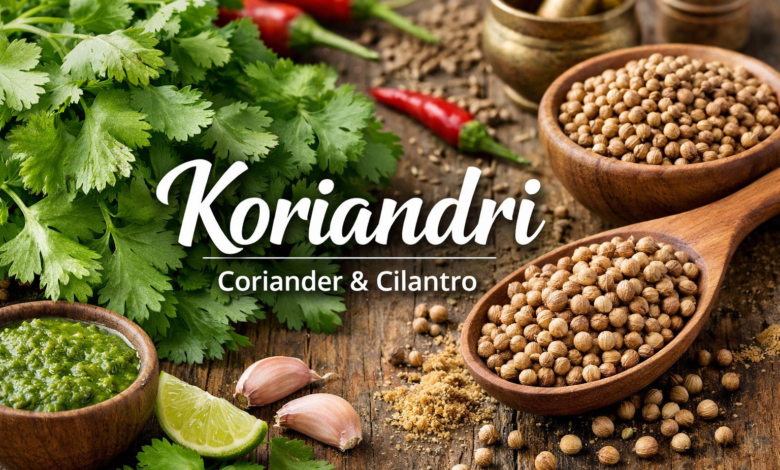
Koriandri—more widely known in English as coriander or cilantro—is one of the world’s most recognizable and widely used herbs. From Asian curries to Latin American salsas and European baking, this aromatic plant has earned a permanent place in global cuisine. Loved by many and famously disliked by some, It is far more than a simple garnish.
This article explores what koriandri is, where it comes from, how it’s used in cooking, its nutritional value, and why it plays such an important role in both traditional and modern kitchens. Whether you’re a home cook or a curious reader, this guide offers a clear and informative overview.
What Is Koriandri?
Koriandri refers to Coriandrum sativum, an annual herb belonging to the parsley family (Apiaceae). Interestingly, the plant provides two distinct ingredients:
- Fresh leaves, commonly called cilantro
- Dried seeds, known as coriander seeds
Although they come from the same plant, the leaves and seeds differ significantly in flavor, aroma, and culinary use.
Cilantro vs. Coriander: Understanding the Terms
The naming of koriandri can be confusing:
- In American English, cilantro refers to the fresh leaves, while coriander means the seeds
- In British and international English, coriander is used for both the leaves and seeds
Despite the terminology, both parts are integral to many cuisines around the world.
Origins and History of coriander
Koriandri is one of the oldest known culinary herbs, with a history dating back over 3,000 years. Archaeological evidence suggests coriander seeds were used in ancient Egypt, while historical texts show its presence in Greek and Roman cooking.
Over time, It spread across Europe, Asia, the Middle East, and eventually the Americas. Its adaptability to different climates helped make it a global staple.
Flavor Profile and Aroma
One of the most fascinating aspects of koriandri is its complex flavor.
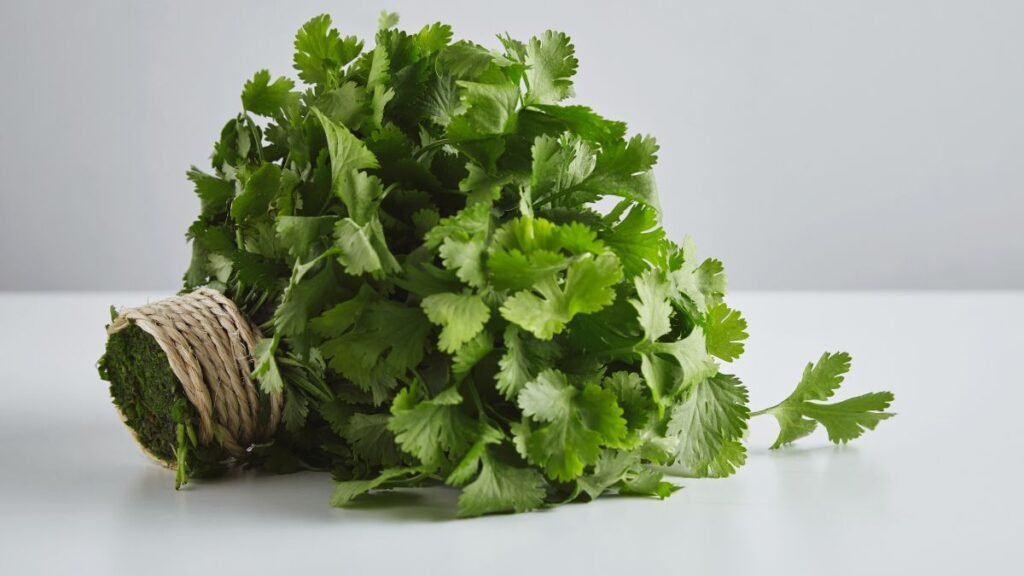
Fresh Koriandri (Cilantro Leaves)
- Bright, citrusy, and slightly peppery
- Often described as fresh and herbaceous
- Some people perceive a soapy taste due to genetic factors
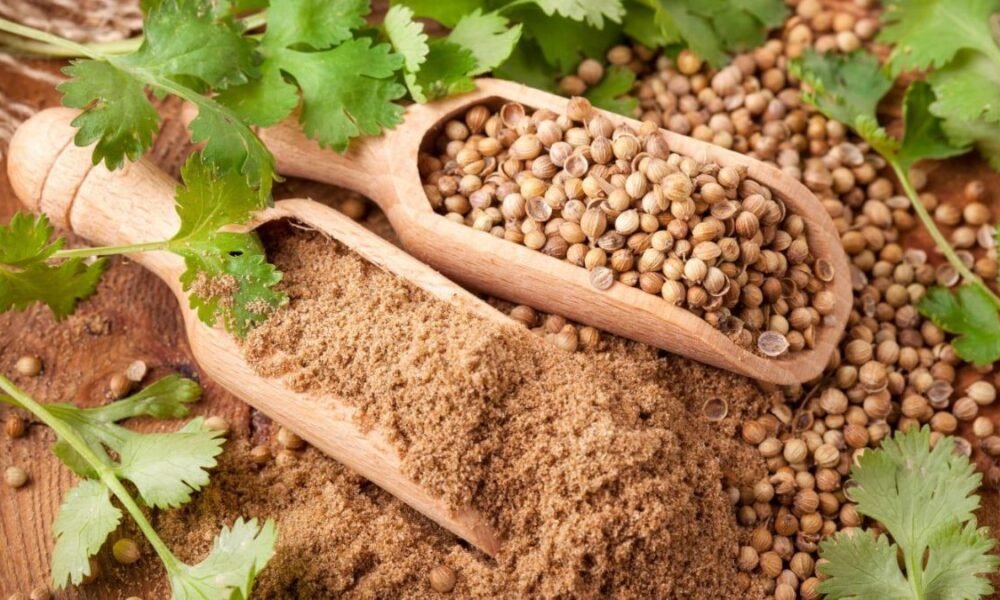
Coriander Seeds
- Warm, nutty, and mildly sweet
- Notes of citrus and spice
- Commonly used whole or ground in spice blends
These contrasting flavors allow it to be used in both savory and sweet dishes.
Culinary Uses of Koriandri
It is remarkably versatile and appears in cuisines across continents.
Common Culinary Applications
Fresh leaves are often used:
- As a garnish for soups, curries, and rice dishes
- In salsas, chutneys, and salads
- Blended into sauces like guacamole or green chutney
Coriander seeds are commonly used:
- In spice mixes such as garam masala and curry powder
- For seasoning meats and vegetables
- In bread, pastries, and pickling recipes
Popular Global Dishes Featuring Koriandri
- Indian curries and dals
- Thai soups like tom yum
- Mexican salsa and tacos
- Middle Eastern falafel and hummus
- European rye bread and spice cakes
Nutritional Value of Koriandri
It is not just flavorful—it also offers nutritional benefits.
Key Nutrients in Fresh Cilantro
- Vitamin C
- Vitamin K
- Small amounts of vitamin A
- Antioxidant compounds
Coriander Seeds Nutrition
- Dietary fiber
- Essential minerals such as iron and magnesium
- Natural plant oils that contribute aroma and taste
While it is usually consumed in small quantities, it still adds nutritional value as part of a balanced diet.
Traditional and Cultural Significance
Across cultures, koriandri holds symbolic and practical importance.
- In South Asian cooking, it is a foundational herb
- In Middle Eastern cuisine, coriander seeds are valued for warmth and depth
- In Latin American food, fresh cilantro is essential for freshness and balance
Many traditional recipes rely on it to define their authentic flavor profiles.
Growing and Storing Koriandri
It is relatively easy to grow and maintain.
How Koriandri Is Grown
- Thrives in cool to mild climates
- Grows quickly from seed
- Leaves are harvested early, seeds later in the plant’s life cycle
Storage Tips
Fresh koriandri:
- Store in the refrigerator with stems in water
- Cover loosely with a plastic bag
- Use within one week for best flavor
Coriander seeds:
- Store in an airtight container
- Keep in a cool, dark place
- Grind just before use for maximum aroma
Why Some People Dislike Koriandri
It is famously polarizing. Some people experience a soapy or metallic taste when eating cilantro. Research suggests this reaction is linked to genetic sensitivity to certain aldehydes found in the leaves.
Importantly, this sensitivity usually applies only to fresh leaves—not coriander seeds.
Koriandri in Modern Cooking
Today, It continues to evolve in modern cuisine. Chefs experiment with:
- Coriander-infused oils
- Cilantro-based dressings
- Fusion dishes combining traditional and contemporary flavors
Its ability to brighten dishes and balance rich flavors keeps it relevant in both home and professional kitchens.
Conclusion: Why Koriandri Matters
Koriandri is more than just an herb—it is a global culinary cornerstone with deep historical roots and wide-ranging uses. From fresh leaves that add brightness to meals to warm, aromatic seeds that define spice blends, It offers versatility few ingredients can match.
Whether you enjoy it daily or are just learning about its role in cooking, It remains an essential element of food culture worldwide.
FAQs
Is koriandri the same as cilantro?
Yes. It refers to the same plant. Cilantro usually means the fresh leaves, while coriander refers to the seeds.
Can koriandri be used in both savory and sweet dishes?
Yes. Fresh leaves are mostly used in savory foods, while coriander seeds appear in both savory and sweet recipes.
Why does koriandri taste bad to some people?
A genetic trait can cause some individuals to perceive a soapy flavor in fresh cilantro leaves.
Is koriandri easy to grow at home?
Yes. It grows quickly from seed and does well in pots or gardens with moderate sunlight.
Also Read