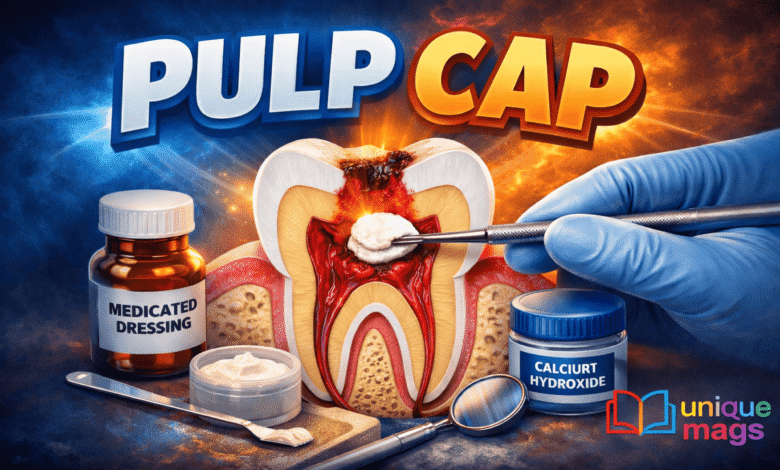
Modern dentistry focuses on preserving natural teeth whenever possible. One procedure that reflects this conservative approach is the pulp cap. Often recommended when tooth decay or trauma comes close to the dental pulp, pulp capping helps protect the inner tooth structure and may prevent the need for more invasive treatments like root canals.
This article explains what a pulp cap is, how it works, when it is used, and what patients can expect. Let’s get started.
What Is a Pulp Cap?
A pulp cap is a dental procedure in which a protective material is placed over the pulp or near-pulp area of a tooth. The goal is to preserve the health of the dental pulp, which contains nerves, blood vessels, and connective tissue.
Dentists typically use it when decay or injury has exposed—or nearly exposed—the pulp, but the tooth is still considered healthy and viable.
The key purpose of pulp capping:
- Protect the pulp from further damage.
- Encourage healing and repair.
- Maintain tooth vitality
- Avoid root canal treatment when possible.
Understanding the Dental Pulp
To appreciate the value of a pulp cap, it helps to understand the tooth’s structure.
A tooth consists of three main layers:
- Enamel – the hard outer layer
- Dentin – the softer layer beneath enamel
- Pulp – the innermost layer containing nerves and blood vessels
When decay reaches the dentin and approaches the pulp, bacteria can irritate the pulp tissue. If untreated, this can lead to inflammation, infection, and pain.
Types of Pulp Capping Procedures
There are two main types of pulp capping, depending on whether the pulp is exposed.
Direct Pulp Capping
Direct pulp capping is performed when the pulp is physically exposed, often due to:
- Deep dental caries
- Accidental exposure during cavity preparation
- Minor tooth trauma
A biocompatible material is placed directly over the exposed pulp to promote healing and stimulate the formation of reparative dentin.
Indirect Pulp Capping
Indirect pulp capping is used when decay is very close to the pulp, but no exposure has occurred.
In this approach:
- Most of the decay is removed.
- A thin layer of softened dentin may be left to avoid pulp exposure.
- A protective material is placed over the dentin.
This technique reduces bacterial activity and allows the pulp to recover.
Materials Used in Pulp Capping
The success of it depends heavily on the material used. Modern dentistry relies on materials that are safe, durable, and supportive of healing.
Common pulp capping materials include:
- Calcium hydroxide – traditionally used, promotes dentin formation.
- Mineral trioxide aggregate (MTA) – highly biocompatible and effective
- Bioceramic materials – newer options with excellent sealing ability
- Glass ionomer cement – often used as a base or liner.
These materials help seal the area, prevent bacterial leakage, and encourage tissue regeneration.
When Is a Pulp Cap Recommended?
Dentists recommend it only in specific situations. Not every tooth with deep decay is a candidate.
A pulp cap may be suitable when:
- The tooth shows no signs of irreversible pulp damage.
- There is minimal or no spontaneous pain.
- The pulp exposure is small and clean.
- The patient has good oral hygiene.
It is not recommended if there is infection, abscess formation, or severe pulp inflammation.
The Pulp Capping Procedure: Step by Step
For most patients, It is a straightforward and relatively quick procedure.
Typical steps include:
- Local anesthesia to numb the area.
- Removal of decay or damaged tooth structure
- Placement of pulp capping material
- Protective restoration, such as a filling or crown
The procedure is usually completed in a single visit, though follow-up appointments may be recommended.
Benefits of Pulp Capping
It offers several advantages compared to more invasive treatments.
Key benefits include:
- Preserves the natural tooth
- Maintains tooth vitality
- Reduces the need for root canal therapy
- Shorter treatment time
- Lower overall cost
For many patients, It aligns with minimally invasive dental care.
Risks and Limitations
While pulp capping can be effective, it is not guaranteed to succeed in all cases.
Potential limitations include:
- Failure to heal properly
- Continued pulp inflammation
- Need for future root canal treatment.
- Sensitivity after the procedure
Success largely depends on proper case selection, material choice, and patient oral care.
Recovery and Aftercare
Most patients experience minimal discomfort after pulp capping. Mild sensitivity to temperature or pressure may occur for a few days.
Aftercare tips:
- Avoid chewing hard foods on the treated tooth initially.
- Maintain good oral hygiene.
- Attend follow-up dental visits.
- Report persistent pain or swelling promptly
Good aftercare improves the chances of long-term success.
Pulp Cap vs. Root Canal: What’s the Difference?
Understanding the difference between a pulp cap and a root canal can help patients make informed decisions.
| Tooth vitality | Preserved | Removed |
| Invasiveness | Minimal | Extensive |
| Cost | Lower | Higher |
| Recovery | Faster | Longer |
| Indication | Mild pulp involvement | Severe pulp damage |
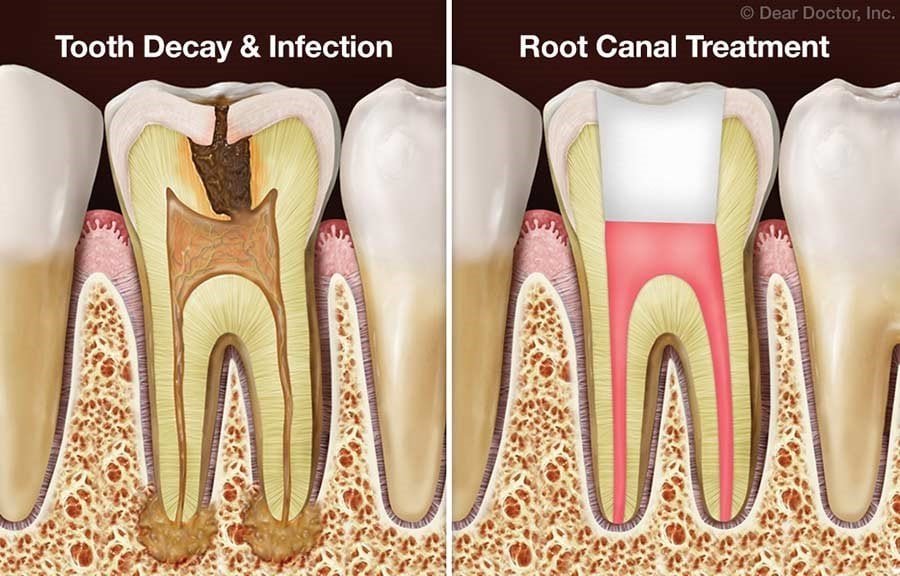
Pulp capping is often considered a preventive or early intervention, while root canal therapy is a definitive treatment for advanced pulp disease.
How Long Does a Pulp Cap Last?
When successful, It can last for many years. The tooth continues to function normally, and the pulp remains healthy.
Longevity depends on:
- Quality of restoration
- Patient oral hygiene
- Absence of new decay
- Regular dental checkups
In some cases, It may serve as a long-term solution.
Conclusion
A pulp cap is a valuable dental procedure designed to protect and preserve the living tissue inside a tooth. By sealing and supporting the pulp after deep decay or minor exposure, It can prevent more invasive treatments and help maintain natural tooth health.
For patients diagnosed early and treated appropriately, pulp capping represents a conservative, effective solution that aligns with modern, tooth-preserving dentistry.
FAQs
Is pulp capping painful?
No, It is performed under local anesthesia. Most patients report little to no pain during or after the procedure.
Can pulp capping fail?
Yes, in some cases, the pulp may not heal properly. If symptoms persist, further treatment such as a root canal may be needed.
Is pulp capping safe for children?
Yes. It is commonly used in pediatric dentistry to preserve primary and young permanent teeth.
How do I know if I need a pulp cap?
Only a dentist can determine this through clinical examination and X-rays. Early treatment improves success rates.
You may also like: